Dumbwaiters: When They Are the Wrong Answer, and What to Specify Instead
Dumbwaiters are usually chosen by whoever fits out the kitchen, so the same three failures recur. When a dumbwaiter is the wrong answer, and what to specify instead.

- Published
In this article 7 sections
In this article
- The kitchen fit-out decides the dumbwaiter, and it should not
- The three dumbwaiter failures that recur
- When a dumbwaiter is the wrong answer
- What to specify instead of a dumbwaiter, by operation
- The dumbwaiter dimensional decision is the one that locks
- The commercial case for independent review of a dumbwaiter
- The six dumbwaiter questions to settle
Quick summary
A dumbwaiter is usually specified by whoever is fitting out the kitchen, not by anyone with a view of the whole building. That is why the same three failures recur: a dumbwaiter that cannot carry the load it was bought for, a shaft that cannot be enlarged later, and a servicing obligation nobody costed. This article is about when a dumbwaiter is genuinely the wrong answer, what to specify instead, and which decisions become expensive after installation rather than before it.
The kitchen fit-out decides the dumbwaiter, and it should not#
Most dumbwaiters are chosen during a fit-out, by a kitchen contractor or a catering equipment supplier, to solve a movement problem inside one room.
That works while the problem stays inside that room. It stops working the moment the building has to live with the decision for twenty years.
The constraints that matter are building constraints: where the dumbwaiter shaft can go, what the floor structure can take, how the unit gets in and out for replacement, and who carries the servicing obligation once the fit-out contractor has moved on. None of those sit with the kitchen contractor.
The three dumbwaiter failures that recur#
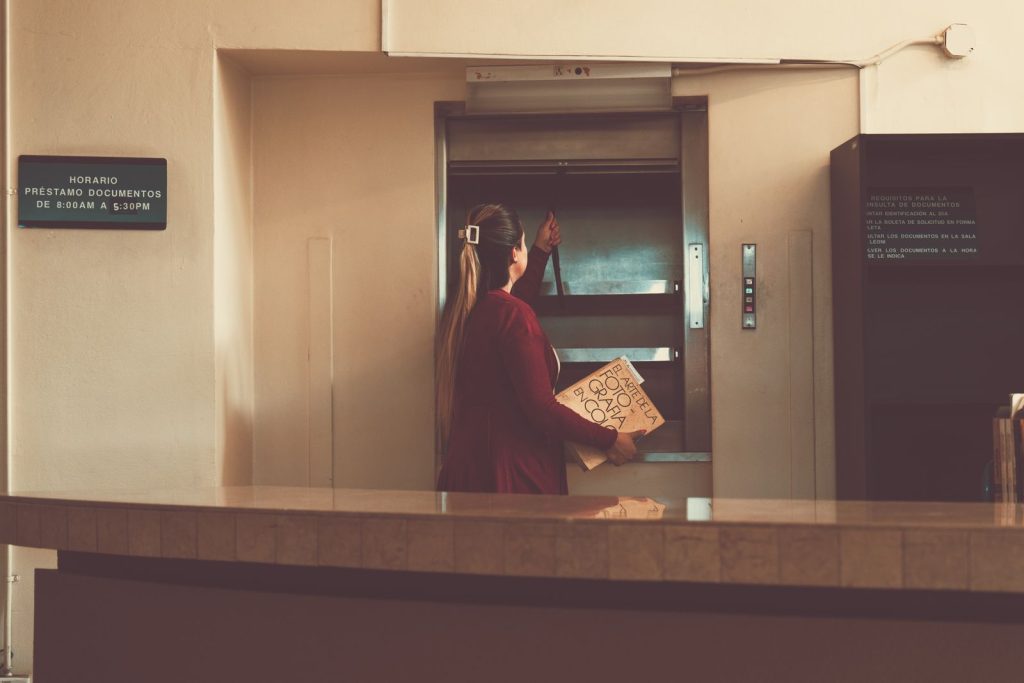
A car too small for the load that actually moves. The dumbwaiter gets sized to the average tray rather than the worst realistic load. Then the operation changes, the menu changes, the delivery format changes, and the device no longer fits the job it was bought for.
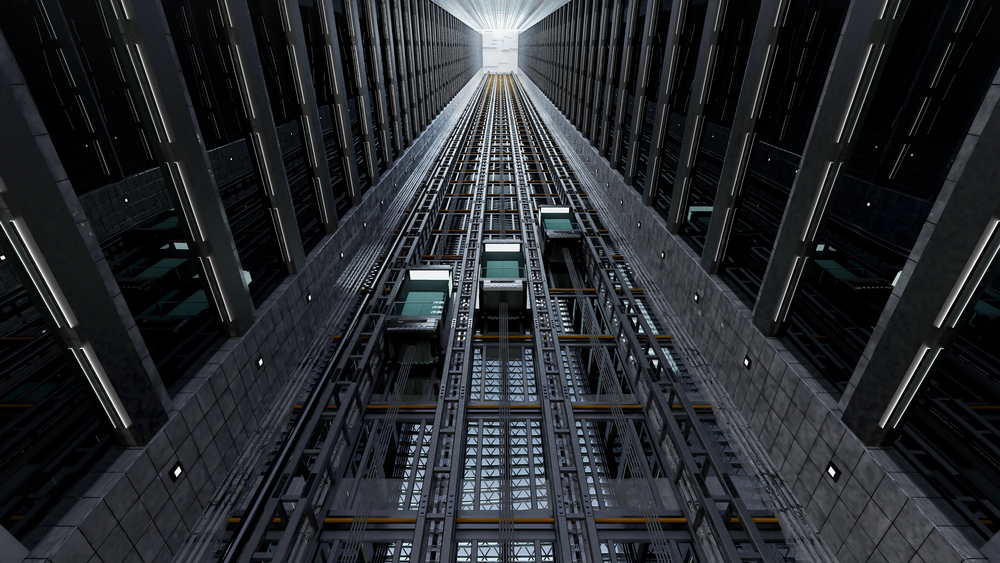
A shaft that cannot be enlarged. Vertical transport is the one element of a building you can rarely upsize later. A shaft built for a dumbwaiter will not become a goods lift shaft, and a shaft built too small is a permanent constraint on the tenancy.
A servicing obligation nobody costed. The purchase price is a small part of the twenty-year dumbwaiter cost, and it is the only part that ever appears in a fit-out budget.
None of these is an equipment failure. All three are specification failures, and all three are cheaper to prevent than to correct.
When a dumbwaiter is the wrong answer#
When a person needs to travel with the load. Then it is not a dumbwaiter, and no configuration changes that.
When the load is a pallet, a trolley or a cage. A dumbwaiter car built for trays will not take a pallet. What is needed is freight capacity, which is a different device, a different shaft and a different approval path. Our freight elevator service covers that end of the range.
When one unit has to serve goods and people. That is a passenger lift with a goods rating. It is the right answer in a hospital, a hotel or a mixed-use building, and it is a much larger project than the fit-out budget assumes.
When the movement volume is genuinely low. If the task happens twice a day, the capital case for a dumbwaiter is weak and a layout change usually solves it for nothing.
A supplier cannot tell you not to buy a dumbwaiter. A consultant can. That is the only structural difference in this conversation.
What to specify instead of a dumbwaiter, by operation#
| Operation | Wrong default | Better first question |
|---|---|---|
| Aged care, meals and laundry between levels | Canteen dumbwaiter sized to a tray | What does the heaviest trolley weigh, and does laundry share the shaft |
| Hospital or clinic, sterile transfers | Dumbwaiter chosen by the fit-out contractor | Does the transfer need a controlled route, and who owns it |
| Hotel, linen between floors | Service lift sized to average linen | What is peak volume on a turnaround day |
| Multi-site hospitality | Dumbwaiter specification carried across from the last site | Is the floor to floor actually the same |
| Developer, base building | Nothing until a tenant asks | Should the shaft be sized for the tenant you want |
The pattern is consistent. The wrong default is always the thing that was specified locally, for one room, without a view of the building.
The dumbwaiter dimensional decision is the one that locks#
Everything else can be revisited. The shaft cannot.
Three things lock at design stage: the internal shaft dimensions, the headroom above the top landing, and the pit or low-clearance arrangement below. Get any of them wrong and the outcome is not a larger dumbwaiter, it is a smaller one, or a different category of device entirely. Our elevator design service treats those three as the starting point rather than a detail.
This is why the dumbwaiter specification question and the design question are the same question asked at different times.
The commercial case for independent review of a dumbwaiter#
A dumbwaiter is a small line item, and independent review of a small line item is not always economic. Pretending otherwise wastes everyone’s time.
Where it is economic: when the dumbwaiter is one part of a wider vertical transport strategy, when the building has more than one device, when the shaft decision is still open, or when the servicing obligation sits with the owner rather than a tenant.
Where it is probably not: a single dumbwaiter in a single leased tenancy, where the landlord carries the maintenance and the tenant never touches the device again.
Being clear about that distinction costs us work, and it is the reason the rest of the advice is worth reading. The independent lift consulting service covers dumbwaiters as one part of a wider brief, alongside passenger lifts, freight capacity, service lifts and escalators. The hotel and residential projects on this site show how those combined briefs actually run.
The six dumbwaiter questions to settle#
- What is the heaviest realistic load, not the average load.
- What are the peak movements per hour, not per day.
- Does any person ever need to travel with the goods.
- Can an existing void, shaft or recess be used.
- Who holds the servicing obligation, and for how long.
- How does the dumbwaiter come out again in twenty years.
Answers to those six will tell you more about the right device than any product brochure, and they are the questions a fit-out contractor has no reason to ask.
ILCPL provides independent lift, elevator and escalator consulting across Australia, New Zealand and Asia, with no ties to any manufacturer or contractor. Call 0417 784 245.