
Independent escalator consulting
Escalator Consultants Australia
Escalator failure in a shopping centre, airport or transport interchange is not a back-of-house issue. It is visible immediately, it disrupts pedestrian flow immediately, and it creates a management and compliance problem immediately. Independent escalator consulting gives owners of high-footfall facilities the technical position they need to manage those assets without depending solely on the contractor delivering the work. ILCPL has provided independent escalator consulting across Australia for nearly 50 years, from the owner's side of every engagement.
- Nearly 50 years of vertical transportation consulting
- High-footfall assets shopping centres, transport interchanges and airports
- Owner-side only does not maintain escalators or supply equipment
- Documented advice for board reporting, due diligence and regulatory engagement






What we do
What Does an Escalator Consultant Do?
An escalator consultant helps the owner understand whether the current arrangement is good enough, whether the asset is moving into a more serious lifecycle phase, and whether the next recommendation should be accepted as framed.
In a shopping centre, transport interchange or airport, that question carries operational weight that most other building assets do not. An escalator out of service affects every person moving through the facility at that moment. The management pressure, the reputational consequence and, in regulated public environments, the compliance consequence are immediate and cannot be deferred to the next scheduled review.
ILCPL provides that decision support from the owner’s side. The firm does not maintain escalators, does not supply equipment, and does not benefit commercially from a broader scope of works. That independence is what makes an escalator consultant useful when the owner needs to challenge a recommendation, assess a compliance concern or make a capital decision with confidence rather than contractor assurance.
With nearly 50 years of vertical transportation consulting experience across Australia, ILCPL brings the technical depth and commercial judgement that owners of high-footfall assets need at every stage of the asset lifecycle. Where the building also includes lifts or elevators, ILCPL provides the same independent approach across all asset types through its lift consulting and elevator consulting services, or as a fully integrated vertical transportation consulting engagement.
When you need one
When Do You Need an Escalator Consultant?
You need an escalator consultant when the operational consequences of getting the decision wrong are too visible to rely on contractor advice alone.
- A contractor has recommended significant works and the owner does not have an independent technical basis for assessing whether the recommendation is proportionate to the asset’s actual condition.
- Recurring faults or reliability issues are affecting operational confidence and the contractor’s explanations have not been independently verified against the service records.
- Safety or compliance concerns are emerging and the owner needs an independent position before engaging a contractor to address them.
- Escalator maintenance spend is rising without a corresponding improvement in asset performance or reliability.
- A modernisation decision is approaching and the owner needs an independent assessment before scope and budget are committed.
- A due diligence, portfolio review or capital planning process requires independently documented asset condition and risk data.
The escalator environment has a characteristic that distinguishes it from most other building assets: the cost of a poor decision is immediately visible to the building’s users, managers and, in regulated environments, its compliance officers. That visibility is why independent escalator consulting matters more than owners sometimes assume before they actually need it.
Consultant vs contractor
Escalator Consultant vs Escalator Contractor: The Distinction
An escalator contractor maintains, repairs or upgrades the asset. An escalator consultant helps the owner decide whether the recommendation, scope and timing are justified before that work is committed.
In practice, owners need both. The contractor delivers the work. The independent escalator consultant ensures the owner is making a sound decision before delivery begins and that performance is being measured against the right standard afterwards.
| Factor | Escalator Consultant | Escalator Contractor |
|---|---|---|
| Represents | The owner | Their company |
| Primary role | Independent judgement, review and owner-side oversight | Maintenance and works delivery |
| Can assess scope impartially | Yes | Not independently |
| Benefits from larger scope | No | Usually yes |
| Best used for | Capital decisions, compliance, contractor scrutiny | Service, repair and project execution |
A contractor is essential for the physical maintenance and upgrade of an escalator asset. But a contractor’s commercial interests are not aligned with the owner’s interests when the question is whether the proposed works are necessary and proportionate. An independent escalator consultant fills that gap without replacing the contractor’s operational function.
The risk is highest at capital decision points: when a modernisation is proposed, when significant repair scope is put forward, or when a maintenance arrangement has not been independently reviewed for an extended period. In high-footfall public environments, those are also the points where a wrong decision becomes visible the fastest.
Services
Escalator Consulting Services
ILCPL’s escalator consulting addresses the three points in the asset lifecycle where independent advice is most valuable: when a maintenance arrangement needs testing, when a capital recommendation requires owner-side scrutiny, and when a modernisation decision is approaching.
-
Escalator Maintenance Review
Escalator maintenance should be assessed against usage intensity, operational exposure and the owner’s tolerance for visible service disruption, not simply against whether the equipment is technically still running.
An arrangement that was acceptable when negotiated may no longer reflect the asset’s actual condition, the facility’s current usage profile or the standards the owner is required to meet. ILCPL reviews escalator maintenance contracts and service performance against those benchmarks, giving owners a documented view of whether the arrangement is delivering what it should and where the gaps are.
-
Escalator Safety Reports
The escalator safety reports service provides independent documentation of condition, compliance and risk, suitable for internal decision-making, board reporting, due diligence or as a basis for challenging a contractor recommendation before commitment is made.
In high-footfall public environments, independent safety and condition reporting gives owners a clearer basis for risk management, capital planning and regulatory engagement than contractor-produced documentation can provide on its own. Owners of shopping centres may also find ILCPL’s shopping centre project experience relevant context before engaging.
-
Escalator Modernisation Planning
Escalator modernisation decisions should not be made because the asset is old or because a contractor prefers a larger intervention. The right decision depends on condition, obsolescence, downtime pressure, usage profile and lifecycle value, assessed independently of the party that would carry out the works.
ILCPL provides the owner with that independent assessment before scope and budget are committed, so the decision is grounded in evidence rather than contractor momentum.
-
Vertical Transportation Strategy
Where a building’s portfolio includes escalators, lifts and elevators, the vertical transportation consulting service brings all asset types into a single advisory framework. That integration gives owners a more coherent basis for capital planning, maintenance management and compliance across the full portfolio, rather than addressing each asset type in isolation through separate specialist relationships.

Operational risk
Why Escalator Decisions Carry Higher Operational Risk

For owners of shopping centres, transport interchanges and airports, escalator asset decisions carry a category of risk that most other building assets do not share: immediate, visible operational consequence.
A lift out of service in a commercial office creates inconvenience. An escalator out of service in a retail centre or transport hub creates a visible failure that every person moving through the facility encounters at that moment. The management pressure and the compliance consequence, particularly in regulated public transport environments, cannot be deferred while the situation is assessed or a contractor is scheduled.
That immediacy changes the case for independent escalator consulting. In most building asset categories, an owner can afford to wait until a recommendation arrives before engaging independent review. In a high-footfall escalator environment, the decision that causes the problem has usually already been made by the time the consequence becomes visible. Owners who establish an independent position on their escalator assets before a recommendation arrives are in a fundamentally stronger position than those who respond after the fact.
Independent escalator consulting does not eliminate operational risk. It improves the quality of the decisions that create or reduce that risk, by giving the owner a basis for assessment that does not depend on the party delivering the work.
For examples of the high-footfall environments where ILCPL has applied independent advice, see the hospitals and healthcare project experience and shopping centre project experience.
Project experience
View all projects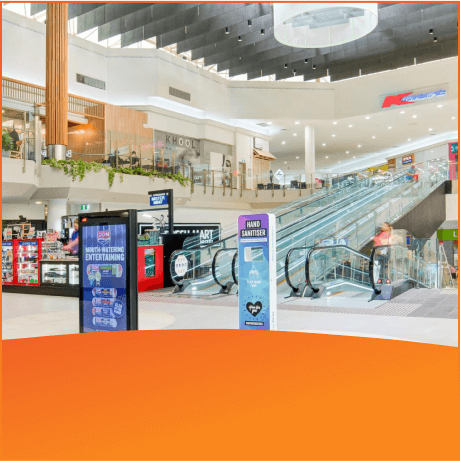 Shopping centres
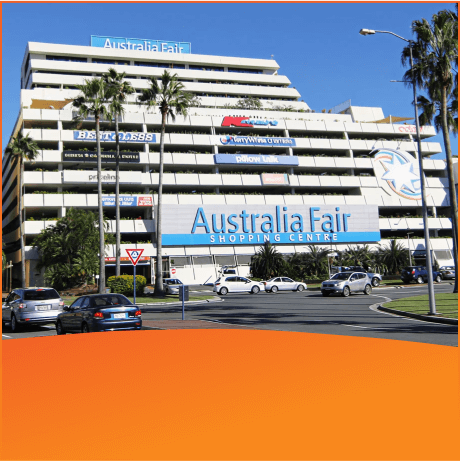 Shopping centres
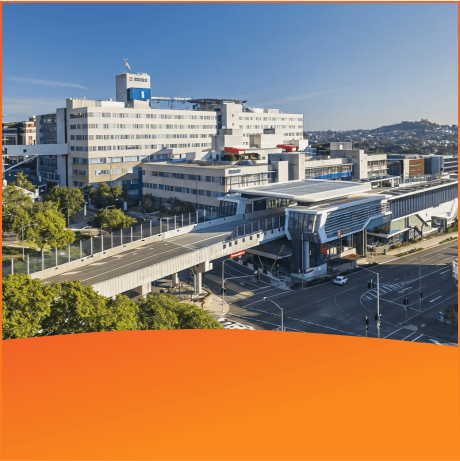 Hospitals and healthcare
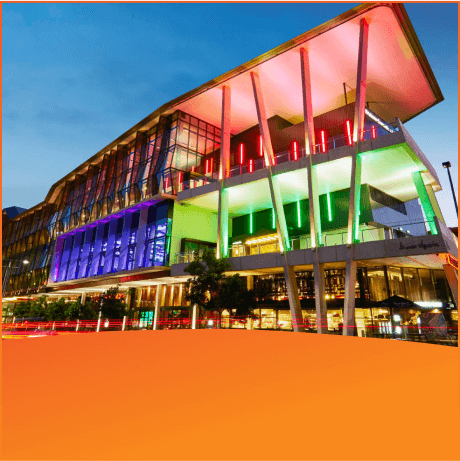 Mixed-use developments
FAQ
Frequently Asked Questions: Escalator Consulting
8 questions
What does an independent escalator consultant do?
An independent escalator consultant gives owners and facility managers an unbiased technical position on escalator maintenance contracts, asset condition, safety compliance, upgrade timing and capital planning decisions. ILCPL represents the owner’s interests at every stage without a commercial stake in the contractor’s scope or the equipment supplied, which is the basis on which that advice can be trusted.
When should I bring in an escalator consultant?
Before major works are approved, when reliability is worsening, when safety or compliance concerns are emerging, or when the current arrangement no longer gives the owner a confident basis for decision-making. In high-footfall facilities, the earlier the independent review the better: the window between a decision being made and its operational consequences becoming visible is shorter than in most other asset categories.
Should I get an independent review of a modernisation recommendation?
Yes. That is one of the clearest cases for escalator consulting, particularly when the recommendation is significant, the costs are material, and the owner has limited technical visibility to test whether the proposed scope is proportionate to the asset’s actual condition. An independent assessment at that point preserves options that are no longer available once commitment is made.
Can an escalator consultant provide safety and condition reports?
Yes. The escalator safety reports service is designed for use in internal decision-making, board reporting, due diligence and procurement. It provides the independent, documented technical position that contractor-produced reports cannot, and is produced to the documentation standard required for formal use in those contexts.
Is escalator consulting relevant for shopping centres and transport hubs?
Yes. ILCPL has project experience across shopping centres, transport interchanges and airports throughout Australia, where escalator reliability and compliance carry significant operational and regulatory weight. These are the environments where independent escalator consulting has the clearest and most immediate commercial justification.
Does ILCPL also advise on lifts and elevators?
Yes. ILCPL provides the same independent consulting framework across all vertical transportation asset types. The lift consulting and elevator consulting pages cover those services in detail, and the vertical transportation consulting page covers a fully integrated approach for owners managing all asset types within a single portfolio.
Can ILCPL produce reports for board or due diligence purposes?
Yes. ILCPL’s escalator safety and condition reports are produced to the documentation standard required for internal decision-making, board reporting, due diligence processes and procurement. They are suitable for use without further qualification in those formal contexts.
How much does escalator consulting cost?
Fees vary with the scope and complexity of the engagement. Contact ILCPL for an obligation-free discussion about your facility and a clear outline of what an engagement would involve before any commitment is required.
Why ILCPL
Why ILCPL for Escalator Consulting
- Nearly 50 years of vertical transportation consulting experience applied consistently from the owner’s side of every escalator engagement.
- Escalator-specific capability: safety and condition reporting, maintenance contract review and modernisation planning for high-footfall public environments where service disruption is immediately visible.
- Independent documentation suitable for board reporting, due diligence and regulatory engagement, produced without contractor bias.
- Project experience across shopping centres, transport interchanges, airports and hospitals throughout Australia.
- Fully integrated vertical transportation consulting for owners managing escalators, lifts and elevators across a single portfolio.
- One point of accountability across every stage of the escalator consulting engagement.

First step
Get Independent Escalator Consulting Advice
The first step is a conversation about your facility, your escalator assets and the specific decision or concern that is prompting the question. ILCPL will tell you at that point whether and how independent review applies and what the engagement would look like. When you contact us, you speak directly with the consulting team with no administrative layer in between. There is no obligation to proceed, and the initial conversation costs nothing. Call 0417 784 245 or visit our about us page to learn more before reaching out.



Speak directly with the consulting team
0417 784 245- No obligation to proceed
- The initial conversation costs nothing