
Independent elevator consulting
Elevator Consultants Australia
When a contractor recommends significant elevator works, the owner needs a basis for assessing that recommendation that does not come from the contractor making it. Independent elevator consulting provides that basis: technical and commercial clarity from the owner's side of the table, before scope is committed and before budget is approved. ILCPL has provided elevator consultancy services across Australia, New Zealand and Asia for nearly 50 years, with no ties to any manufacturer or contractor.
- Nearly 50 years of elevator consultancy experience
- Australia, NZ and Asia where ILCPL has provided elevator consultancy services
- Owner-side only no ties to any manufacturer or contractor
- Offices to airports plus hospitals, hotels, universities and shopping centres






What we do
What Does an Elevator Consultant Do?

An elevator consultant helps building owners, developers and asset managers decide whether the advice, scope and spend being put in front of them is justified before the building commits to it. That question matters most when the commercial consequences of the answer are significant: a major capital works program, a modernisation decision, a tender for a new installation, or a compliance matter that requires independent documentation.
ILCPL provides elevator consultancy services from the owner’s side of the table. The firm does not supply equipment. It does not hold maintenance contracts. It does not benefit if the scope of a project expands. That independence is what distinguishes an independent elevator consultant from the contractors and suppliers whose advice an owner might otherwise rely on when making the same decision.
In practice, building owners engage an elevator consultant in one of four situations:
- A new project is being defined and the owner needs a clear technical position before approaching contractors.
- A contractor has recommended significant works and there is no independent basis for assessing whether that recommendation is proportionate.
- An existing elevator asset is becoming more expensive or less reliable, and the right response is not clear from contractor reports alone.
- The owner needs defensible technical documentation for procurement, capital planning or compliance purposes.
With project experience spanning commercial offices, hotels, hospitals, universities, shopping centres and airports throughout Australia, ILCPL brings nearly 50 years of firsthand knowledge of how elevator projects succeed and how they go wrong.
Is it worth it?
Is Independent Elevator Consulting Worth It?
For owners managing assets at any scale, the answer is yes. The timing of that engagement matters considerably.
Once a contractor-led scope has been accepted, a tender has gone out on weak documentation, or a capital allocation has been committed, the owner’s leverage narrows. The earlier an independent elevator consultant is brought in, the more options remain open and the more commercial value the advice delivers. One client saved over $15,000 per annum in lift maintenance costs following an ILCPL review: not through negotiation alone, but by establishing an independent basis for assessing what the arrangement was actually delivering.
- The building is facing a capital works recommendation and the owner has limited technical visibility to test whether it is proportionate.
- A tender is being prepared and the documentation needs to support genuine, like-for-like competition between bidders.
- An existing maintenance arrangement has been in place for several years without independent review.
- A safety or compliance issue has emerged and the owner needs an independent position before engaging a contractor to respond.
- An elevator asset has become unreliable and the cause is not clear from contractor reports alone.
- A portfolio review or asset transaction requires reliably documented elevator condition data.
- A minor repair has been carried out and independently verified as proportionate.
- The scope is small, clearly defined and within the owner’s technical ability to assess directly.
- A recent independent review has established a solid baseline and the arrangement is performing to that standard.
Not sure which applies to your building? Contact ILCPL for an obligation-free first conversation.
Consultant vs contractor
Elevator Consultant vs Elevator Contractor: The Distinction That Matters
The most consistent source of avoidable cost in elevator asset management is treating contractor advice as independent advice.
A contractor installs, maintains and upgrades elevator equipment. That is a legitimate and necessary function. But the contractor’s commercial interests are not aligned with the owner’s interests when the question is whether the proposed scope is justified, proportionate and correctly documented.
An independent elevator consultant helps the owner answer that question before committing.
| Factor | Elevator Consultant | Elevator Contractor |
|---|---|---|
| Represents | The owner | Their company |
| Primary role | Independent technical and commercial advice | Delivery of installation, service or upgrade works |
| Can assess scope impartially | Yes | Not independently |
| Benefits if scope expands | No | Usually yes |
| Best used for | Judgement, procurement, owner-side oversight | Service, repair, installation and upgrade delivery |
When a contractor recommends scope and the owner accepts it without independent review, the owner carries the full commercial risk of that decision. If the scope proves broader than necessary, the documentation too vague to support a genuine competitive process, or the works fail to deliver the expected outcome, recourse is limited. Engaging independent elevator consultants at the right point shifts that risk balance substantially.
Throughout the project. A contractor is essential for delivering maintenance, repairs, upgrades and installation. The elevator consultant’s role is to make sure the owner is on sound footing before that delivery begins, and that the delivery is being held to the right standard afterwards. Both roles are necessary and neither replaces the other.
Services
Elevator Consulting Services
ILCPL’s elevator consulting covers every stage of the asset lifecycle, from initial design brief through to ongoing maintenance review and compliance reporting.
-
Elevator Design
Good procurement starts with disciplined documentation. If scope is vague, tenders cannot be compared on a like-for-like basis, inclusions drift, and the owner loses commercial control before the project has properly begun. Weak documentation is one of the most consistent sources of cost overruns and disputes on elevator projects of every scale.
The elevator design service covers the full documentation process from initial brief through to tender-ready specifications, giving owners a procurement foundation that supports genuine competition and clear accountability.
-
Elevator Modernisation
Not every ageing elevator requires full replacement. The right answer depends on reliability trend, parts availability, asset condition, downtime exposure and lifecycle economics, not on age alone or contractor preference. The elevator modernisation service provides the independent assessment an owner needs before scope and budget are locked in.
-
Elevator Maintenance Review
Repeated faults, rising costs or recommendations for major works often have their roots in a maintenance arrangement that has not been independently tested for years. The elevator maintenance consulting service reviews contracts, service records and asset condition to establish whether the current arrangement is performing as it should, and where the risks lie.
-
Elevator Safety Audits and Reports
Owners sometimes need an independent technical position before they need a contractor. The elevator safety audits and reports service provides that position, clearly documented and without contractor bias, for use in capital planning, board reporting, due diligence or procurement.
-
Elevator Improvements and Services
For owners looking to improve performance or address specific reliability concerns without a full modernisation, the elevator improvements and elevator services consulting covers the assessment and planning required to make those decisions from a position of evidence rather than contractor assurance.
When to engage
When Should an Owner Bring in an Elevator Consultant?
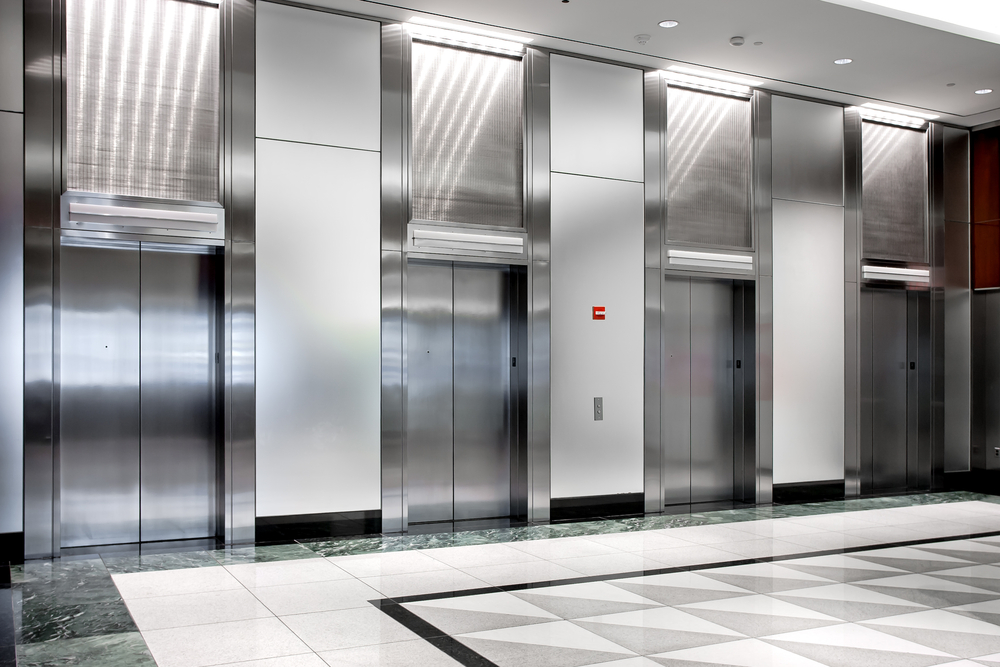
Usually before the decision hardens.
The moment most owners consider engaging elevator consultants is when a contractor has already submitted a significant recommendation. That timing is better than doing nothing, but the owner’s negotiating position is already narrower than it was before the recommendation arrived. The earlier independent review happens, the more value it delivers.
The clearest cases for early engagement:- Before a new development or major refurbishment is scoped, so elevator requirements are independently defined before contractors are approached.
- Before a maintenance contract renews, particularly if it has not been independently reviewed in several years.
- Before a significant capital works recommendation is accepted, while there is still time to test the scope and consider alternatives.
- Before a portfolio review or capital planning round, to establish a reliable, independently documented baseline for each elevator asset.
- Whenever a safety or compliance concern has been raised and the owner needs a documented technical position before committing to a contractor response.
The issue is not always overcharging. Often it is poor visibility. The owner is being asked to approve a recommendation without a reliable basis for testing whether it is proportionate, necessary or well-structured. That is the gap independent elevator consultants fill.
For examples of the building types and situations where ILCPL has provided elevator consulting across Australia, visit the projects page.
Project experience
View all projects-
 Commercial offices
-
 Hospitals and healthcare
-
 Universities and education
-
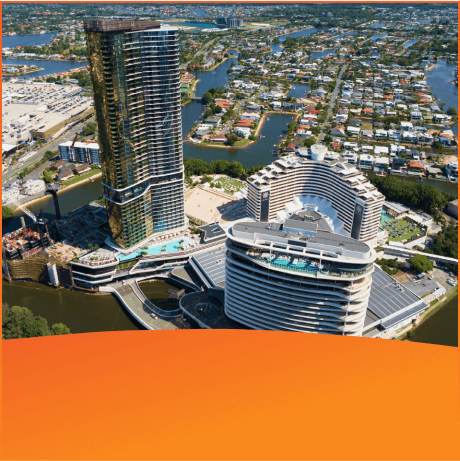 Hotels and residential
FAQ
Frequently Asked Questions: Elevator Consulting
8 questions
What does an independent elevator consultant do?
An independent elevator consultant assesses elevator design documentation, maintenance arrangements, capital works recommendations and compliance matters from the owner’s side, without a commercial interest in the contractor’s scope or the equipment supplied. ILCPL’s nearly 50 years of elevator consultancy experience means that assessment is grounded in firsthand knowledge of how elevator projects succeed and how they go wrong across every asset type and sector.
When should I engage an elevator consultant?
Before major works are approved, before a tender goes out, when a maintenance arrangement has not been independently reviewed in several years, or as soon as uncertainty emerges about scope, cost or compliance. The earlier the review, the more options the owner retains and the more value the engagement delivers.
Should I get an independent review of a contractor's recommendation?
Yes, particularly when the scope is large, the costs are material, or the owner has limited technical visibility to test the recommendation independently. The role of independent elevator consultants is precisely to provide that assessment without the commercial conflict that makes a contractor’s self-review unreliable.
What is elevator modernisation and does my building need it?
Elevator modernisation is the upgrade of major systems within an existing installation to extend useful life, improve reliability and meet current compliance requirements without full replacement. Whether a building needs it depends on condition, obsolescence, reliability trend and lifecycle economics, assessed independently of the party proposing the works. The elevator modernisation service covers the full assessment and planning process.
Does ILCPL advise on lifts and escalators as well?
Yes. ILCPL provides the same independent consulting framework across all vertical transportation asset types through its lift consulting and escalator consulting services, using the same owner-side independence that applies to every elevator engagement.
Can ILCPL provide documentation for board reporting or due diligence?
Yes. ILCPL produces independently documented technical positions suitable for capital planning, board reporting, due diligence, procurement and dispute resolution. The documentation standard is appropriate for formal use in those contexts.
How much does elevator consulting cost?
Consulting fees vary with scope and asset complexity. Contact ILCPL for an obligation-free discussion and a clear outline of what an engagement would involve before any commitment is made.
Do you work with hospitals, universities and airports?
Yes. ILCPL has project experience across hospitals and healthcare facilities, universities, commercial offices, hotels and airports throughout Australia, New Zealand and Asia.
Why ILCPL
Why ILCPL for Elevator Consulting
- Nearly 50 years of elevator consultancy experience across Australia, New Zealand and Asia, applied on the owner’s side of every engagement.
- Elevator-specific independence: no design and construct relationships, no equipment supply, no benefit from scope expansion on elevator capital works.
- Full lifecycle coverage from elevator design documentation and procurement through maintenance review, safety audits and compliance reporting.
- Project experience spanning commercial offices, hospitals, hotels, universities, shopping centres and airports.
- Documented advice that gives owners a defensible technical and commercial position for procurement, capital planning and dispute resolution.
- One point of accountability across every stage of the elevator consulting engagement.
- The same independent framework applies to lift consulting and escalator consulting.

First step
Get Independent Elevator Consulting Advice
The first step is a conversation about your building and the elevator decision in front of you: ILCPL will tell you at that point whether and how independent review applies to your situation. When you contact us, you speak directly with the consulting team. There is no obligation to proceed, and the initial conversation costs nothing. Call 0417 784 245 or reach us through our enquiry form.




Speak directly with the consulting team
0417 784 245- No obligation to proceed
- The initial conversation costs nothing